In Search of Mediterranean Silence: Architectural Refuges
How raw limestone, local cedar, and the removal of excess re-establish peace along the Greek coast.
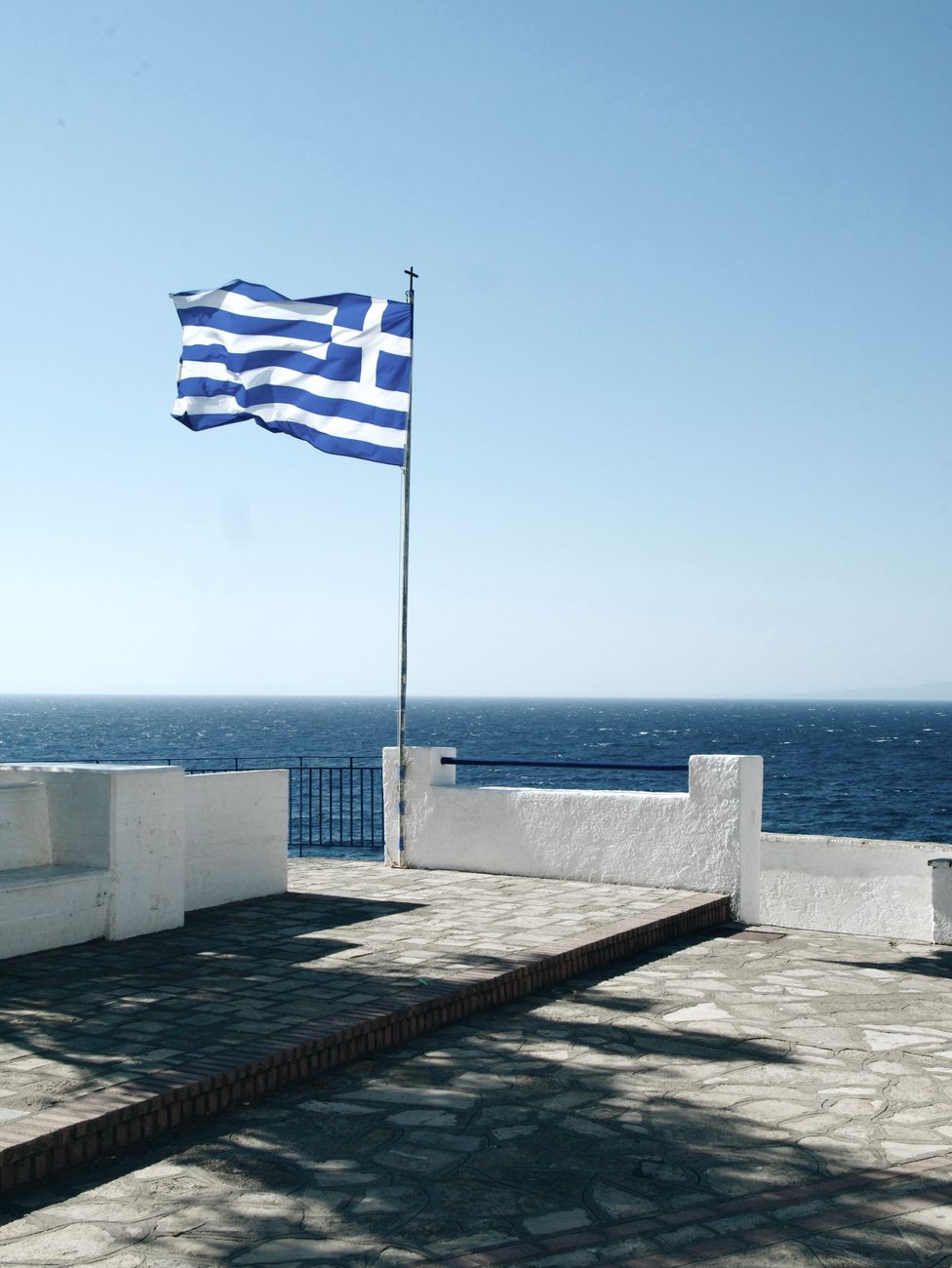
To arrive in the Mani peninsula during the winter or early spring is to witness a Mediterranean stripped of its commercial artifice. Here, rugged hills fall sheer into the Messenian Gulf, and villages are comprised not of modern white stucco, but of heavy, warm-toned limestone towers erected centuries ago for defense and contemplation.
The Geometry of Mani Limestone
Modern vernacular restorations in the region have adopted a radical ethos: keep what was honest and omit everything decorative. The architects tasked with rehabilitating these towers choose mortar concocted with local sand, thick wooden lintels salvaged from decommissioned olive presses, and minimal brass fixtures that patinate gracefully with sea salt air.
“Architecture should not compete with the sound of the wind or the swell of the sea; it must provide a shelter through which nature is heard more clearly.”
Orchestrating Natural Drafts and Light
Without air conditioning or intrusive electrical ducts, these residences remain naturally cool through thick thermal mass and narrow embrasures designed to capture the evening sea breeze. Shadows dance across unpainted plaster, giving the occupant an acute consciousness of the sun’s progression from dawn to dusk.
The Unplugged Daily Cadence
Living here slows the heart rate within forty-eight hours. One wakes not to alarms, but to the tinkling of goat bells upon the scrub hillside and the scent of wild thyme heated by the morning rays. Meals consist of dark sourdough, early-harvest olive oil with sharp green bitterness, and oranges plucked directly from grove branches.