The Rhythm of Kaiseki: Mindful Eating Across Kansai
Examining how Japanese multi-course dining translates seasonal philosophy into edible architecture.
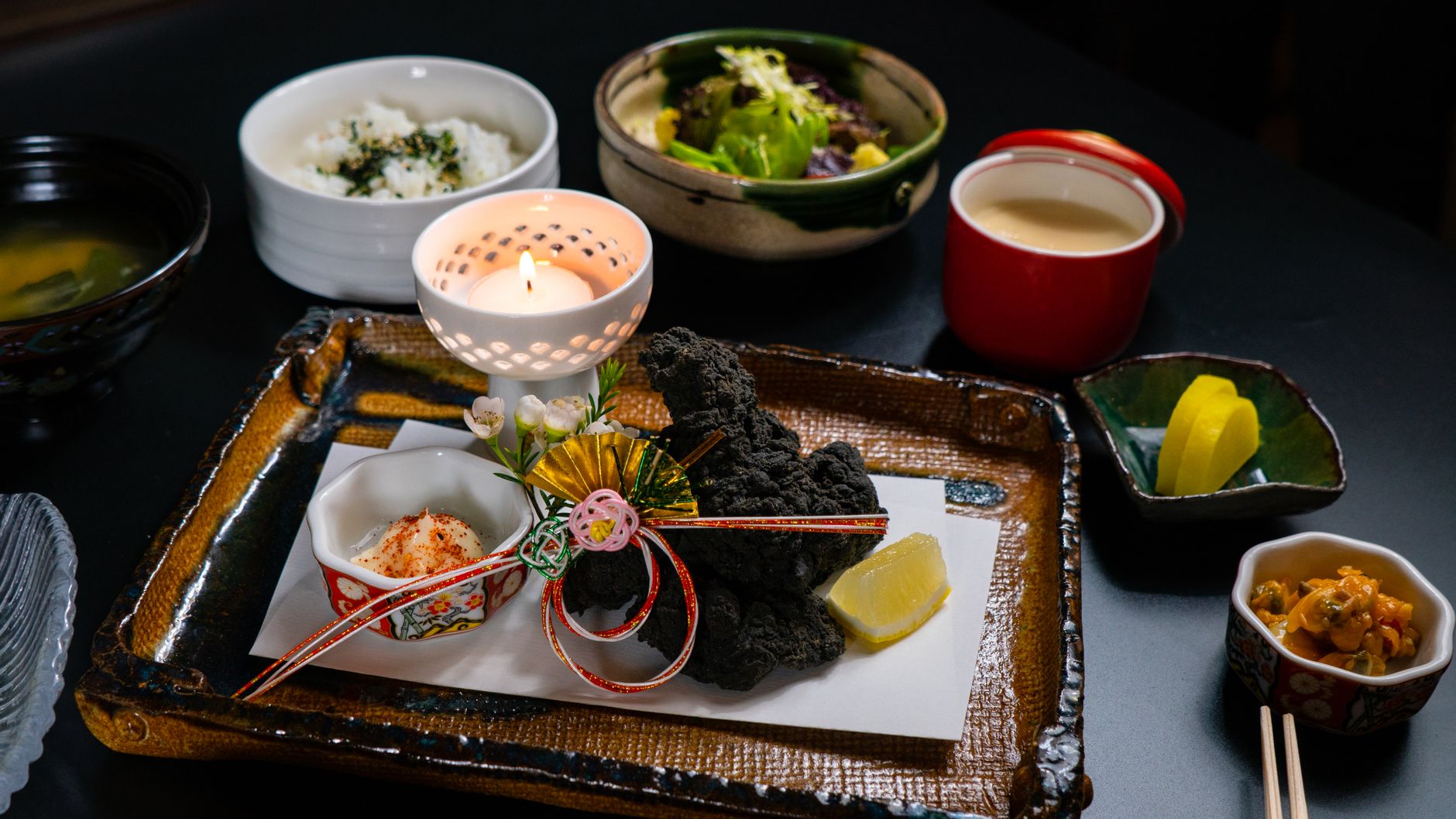
To sit down for kaiseki in an old Kyoto machiya is to participate in an ancient dialogue between chef, guest, and territory. Unlike Western tasting menus that foreground technical gymnastics or sudden flavor contrasts, kaiseki seeks harmony, restraint, and an absolute submission to the ingredients of that precise week.
The Baseline of Water and Dashi
Everything starts with the soft groundwater of Kyoto. Drawing from subterranean aquifers filtered through gravel for decades, chefs extract umami from aged Rishiri kelp without allowing the liquid to boil. The resulting dashi broth is clear as mountain spring water yet possesses an overwhelming depth that coats the palate with tranquility.
“If you can taste the hand of the chef more than the flavor of the winter turnip, the meal has failed its purpose.”
Vessel as Extension of Landscape
A winter course is presented on unglazed Bizen stoneware that recalls chilly soil; a spring dish rests on pale celadon porcelain evoking early bamboo shoots. Each ceramic artifact in the meal has its own provenance, often crafted centuries ago by masters who studied nature with monastic devotion.
The 72 Micro-Seasons in Kyoto
Traditional Japanese calendars recognize seventy-two micro-seasons (ko), lasting approximately five days each. The master cooks of Kansai adapt their offerings at this granular tempo: the arrival of wild mountain fiddleheads marks one week; the appearance of tender sweetfish fry announces the next.